
Cruise Port: Le Havre, France
Le Havre may not have the medieval charm of other French cities, but its unique character is precisely what makes it a fascinating destination. The city's distinct identity is a direct result of its history: after being largely destroyed during World War II, it was rebuilt almost entirely from scratch under the guidance of architect Auguste Perret. This reconstruction earned its city center a spot as a UNESCO World Heritage site, celebrated for its groundbreaking use of modern urban planning and reinforced concrete.
Journey Through the Pages
During Your Visit
Le Havre Neighbourhoods
Know before you go
CRUISE PORT Information
Le Havre, a port city in the Normandy region of northern France, serves as a significant cruise port, often marketed as the "Ocean Port of Paris," despite being about 200 km (130 miles) from the capital. The cruise docks are located near the city centre, primarily at Quai Roger Meunier and Quai Pierre Callet, adjacent to the main ferry terminal. The Le Havre cruise terminal offers facilities such as tourist information, Wi-Fi, and souvenir shops.
Transport Options (PORT to city)
- Walking: Le Havre's city centre is walkable. A 20-30-minute walk will take you to the city centre
- Shore Excursions/Private Tours: Recommended for longer trips.
- Cruise Shuttle: Most cruise lines offer shuttle buses to the city centre, which is often the easiest and most convenient option, but note, you do have to pay for this service.
- Taxi: Taxis are available at the port. Agree on a price beforehand or ensure the meter is running.
DURING YOUR VISIT
ON THE DAY
- Start Early: Disembark promptly to make the most of your time.
- Language: While some English is spoken in tourist areas, knowing a few basic French phrases is always appreciated.
- Shops: Be aware that many shops, especially smaller ones, are closed on Sundays and sometimes on Mondays as well. Plan your shopping accordingly.
- Local Currency: Euros are used. Credit cards are widely accepted.
- Be Mindful of Your Belongings: As in any tourist area, be aware of pickpockets.
- Manage Your Time: Keep track of the time to ensure you return to your ship before departure.
food & drink
When in Le Havre, you have the perfect opportunity to dive into the rich culinary traditions of both a major port city and the wider Normandy region.
fresh seafood
As a major port, Le Havre's cuisine is naturally centred around the sea. You can expect to find incredibly fresh and high-quality seafood at local restaurants. Don't miss the chance to sample the local oysters, mussels (often served steamed with white wine and shallots), or simply the catch of the day. A classic and rewarding experience is to order a "plateau de fruits de mer" (seafood platter), which comes piled high with various shellfish and crustaceans.
Normandy Regional Dishes
- Moules-frites: Mussels and fries are a staple here, a simple but satisfying dish that showcases the fresh local seafood.
- Galettes: These are savoury crepes made from buckwheat flour, often filled with regional ingredients like ham, cheese, and mushrooms, and are a perfect choice for a casual lunch.
- Tarte Normande: For dessert, try this classic apple tart. Normandy is famous for its apples, and this dessert showcases their flavour perfectly, often with a hint of Calvados.
- Cheeses: The region is home to some of France's most famous cheeses. Be sure to try Camembert, Livarot, and Pont-l'Évêque, which are often served on a cheese plate at the end of a meal.
- Cider & Calvados: As the apple capital of France, Normandy produces excellent cider and Calvados (an apple brandy), which are the perfect local beverages to pair with your meal.
local markets
Visiting one of Le Havre's local markets is a must to truly experience the city's culinary soul. These bustling markets are where you can find the best local produce, fresh seafood, and an array of regional products, including the aforementioned cheeses and ciders. It's a great place to people-watch, interact with local vendors, and even pick up a few delicious items for a picnic.
le havre neighbourhoods
Centre-Ville Reconstruit (Reconstructed City Centre)
The Reconstructed City Centre is the heart and soul of Le Havre, celebrated worldwide for its groundbreaking modernist architecture. Its designation as a UNESCO World Heritage site recognises the visionary work of architect Auguste Perret, who meticulously rebuilt the city in reinforced concrete after its destruction in World War II. The entire area functions as an open-air architectural museum, a must-see for anyone interested in 20th-century urban planning and design.
Centre-Ville Reconstruit: key features
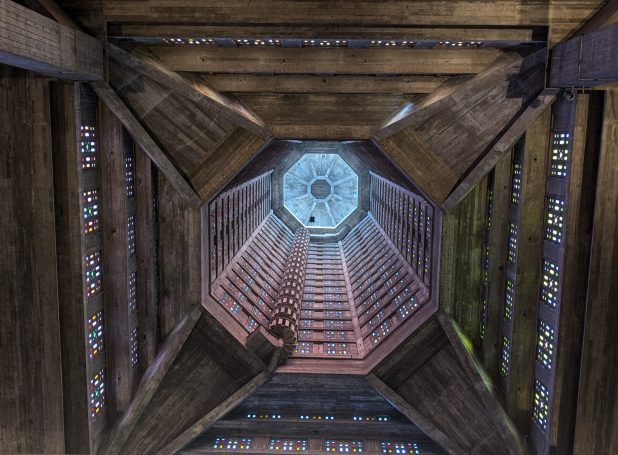
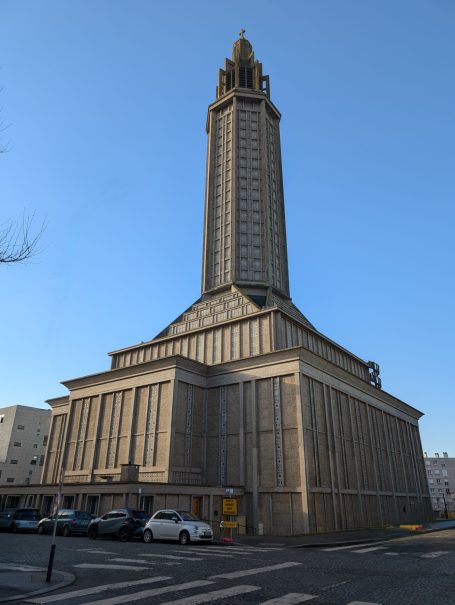
- Saint-Joseph Church (Église Saint-Joseph): This towering landmark is the most striking feature of the skyline. Its impressive central tower, a lantern-like structure, stands as a memorial to the civilian victims of the war. Inside, the sheer scale of the concrete structure and the 12,768 panes of multicolored stained glass create an ethereal and deeply moving experience. The light pouring through the windows is a powerful symbol of rebirth.
- Hôtel de Ville (City Hall): A centrepiece of the reconstruction, Le Havre's City Hall is an imposing and elegant building that anchors a large, open square. Its uniform facade and impressive scale are prime examples of Perret's style. The tower offers panoramic views of the city and the port, providing a great perspective on the urban plan.
- The Perret Apartment Blocks: Beyond the major landmarks, the residential buildings are attractions in themselves. Perret’s innovative use of pre-fabricated concrete created elegant and uniform apartment blocks that are a testament to his vision. They showcase how a modern, functional city can also be beautiful and harmonious.
- Le Volcan: A short walk from the main avenues, this cultural centre is a later addition to the modernist landscape, designed by renowned Brazilian architect Oscar Niemeyer. Its distinctive, volcano-like form is a celebrated example of contemporary architecture and a hub for arts and performances.
- Porte Océane: These two monumental, symmetrical residential buildings stand at the end of the main avenue, framing the view towards the sea. They serve as a symbolic gateway between the city and the port, beautifully demonstrating Perret’s use of perspective and urban planning.
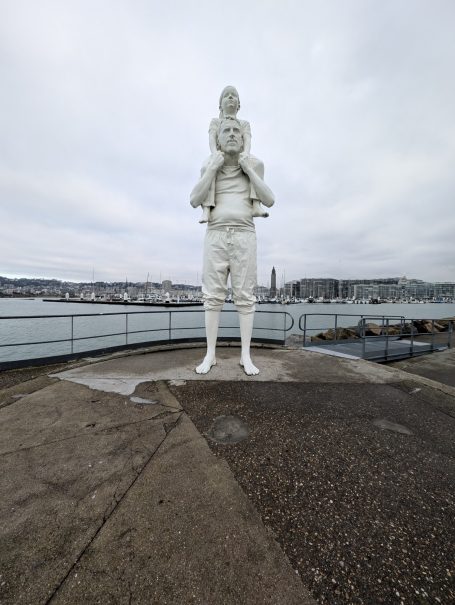
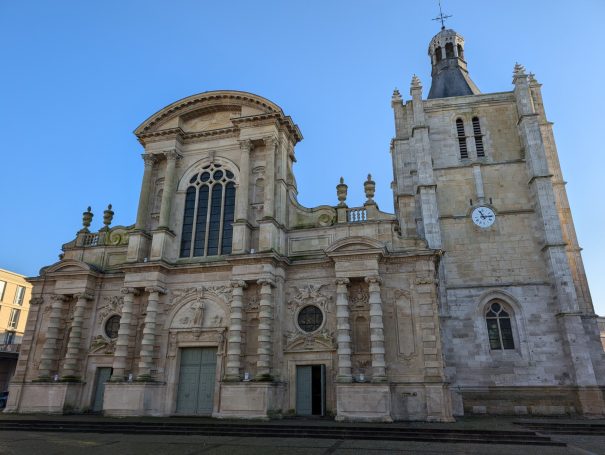
Sainte-Adresse
Sainte-Adresse is a perfect escape from the urban landscape of Le Havre, offering an elegant and peaceful coastal retreat with a rich artistic heritage. This affluent suburb, perched on the cliffs overlooking the sea, was a fashionable seaside resort during the Belle Époque, a history that is still visible in its stunning architecture and serene atmosphere.
Sainte-Adresse: key features
- Les Jardins Suspendus (The Hanging Gardens): This is a must-visit for its unique setting and breathtaking views. Located within an old fortress on the heights of Sainte-Adresse, this beautiful botanical garden offers panoramic vistas of the Le Havre harbor, the city skyline, and the English Channel. It's a peaceful spot to relax and take in the scenery.
- Coastal Views and Belle Époque Villas: The main attraction of Sainte-Adresse is simply taking a walk. The area is defined by its beautiful cliff-side villas and stately homes from the late 19th and early 20th centuries. Following the coastal path provides a constant succession of stunning sea views and a glimpse into the opulent history of the resort.
- Monet's Terrace: The coastal landscapes of Sainte-Adresse were a source of great inspiration for Impressionist painters. Most famously, Claude Monet painted his well-known work, "Terrace at Sainte-Adresse," here. You can visit the very spot where he painted to get a sense of the light and atmosphere that captivated him.
- Sainte-Adresse Beach: Unlike the pebble beach of Le Havre, Sainte-Adresse offers a more intimate and serene coastal experience. It’s a great place for a quiet walk, to watch the ships sail into Le Havre’s port, and to enjoy the refreshing sea breeze away from the city crowds.
Les Docks Vauban
The Les Docks Vauban area is a prime example of Le Havre's successful urban renewal, transforming a former industrial port into a dynamic modern hub. The neighbourhood masterfully blends its maritime past with contemporary lifestyle, offering a variety of attractions within its historic, red-brick warehouses.
les docks vauban: key features
- A Unique Architectural Blend: The main draw of the Docks is its architecture. The massive historic warehouses have been thoughtfully converted, with new structures and interiors seamlessly integrated into the old brick and ironwork. This creates a fascinating environment that celebrates the city's industrial heritage while embracing modern design.
- Shopping & Dining Hub: The area is a major commercial destination. It features a large shopping centre with a wide array of well-known French and international retail brands. You'll find a diverse selection of restaurants and cafés offering everything from casual bites to more formal meals, making it a perfect spot for lunch or dinner.
- Leisure & Recreation: Beyond shopping and dining, Les Docks Vauban is a centre for entertainment. A major cinema complex shows the latest films, and there are unique recreational facilities like a large climbing wall built right into one of the warehouse structures. The waterfront promenade is also ideal for a leisurely stroll.
- A Waterfront Vibe: The area's location on the Vauban basin provides a relaxed, waterfront atmosphere. Visitors can walk along the quays, watch the boats, and take in the view of the surrounding architecture, providing a pleasant contrast to the city centre.
Last Updated: 3 September '25