
extreme day trip: brussels, Belgium
Ready for a whirlwind tour of Europe's vibrant capital? A day trip to Brussels might sound impossible, but with the right plan, you can experience its world-famous highlights in just a few hours. This is not a leisurely stroll; this is our extreme day trip guide, meticulously designed to help you maximise every moment. From the grandeur of the Grand-Place to a quick taste of the city's iconic waffles and fries, get ready for an action-packed itinerary that proves you can see the best of Brussels in a single, unforgettable day.
Journey Through the Pages
Airport Options
Getting Around the City
Extreme Day Trip Planning Tips
Brussels City Centre Neighbourhoods
airport options
brussels airport (bru)
Brussels Airport (BRU), also known as Zaventem Airport, is the main international airport serving Brussels and is the largest airport in Belgium. Located approximately 12 kilometres northeast of the city centre, it is a key European hub with a single terminal building and three concourses (A, B, and T).
terminals
The airport's design is centred around a single terminal building, which simplifies passenger flow and connects all flights under one roof. From this central building, a series of piers and concourses extend out to handle different flight types and destinations.
- Pier A: This is the main pier dedicated to flights operating within the Schengen Area, which includes the majority of destinations in the European Union. Its gates are designed for quick and seamless travel, with no passport control required for Schengen flights. Pier A also handles some non-Schengen flights to destinations like the UK, Ireland, and a few others.
- Pier B: All non-Schengen flights—including those to the United States, Canada, the Middle East, Asia, and select destinations in Africa—depart from this pier. Passengers heading to Pier B must pass through passport control after security.
- Pier T: A smaller, dedicated pier that handles specific routes, primarily flights to Africa, which helps to optimise passenger experience and operations for those flights.
This efficient, single-terminal layout ensures that passengers can easily navigate between flights and services, no matter their destination.
transport to the city centre
The airport is very well-connected to the city centre, offering several convenient options for travellers:
- Train: The fastest and most efficient option. The Brussels Airport-Zaventem station is located directly under the terminal on Level -1. Trains run frequently to Brussels Central Station (Gare Centrale), Brussels-Midi (Gare du Midi), and Brussels-North (Gare du Nord), with a travel time of about 17-20 minutes to the central station.
- Bus: Several bus lines operate from the airport. The STIB Airport Line (Bus 12) is a popular and affordable option, connecting the airport to the European Quarter and the city centre.
- Taxi & Ride-Sharing: Taxis are readily available outside the arrivals hall. The journey to the city centre takes about 20-30 minutes, depending on traffic.
- Car Rental: Car rental counters for major companies are located in the arrivals hall for those who wish to drive themselves.
Charleroi Airport (CRL)
Charleroi Airport (CRL), officially known as Brussels South Charleroi Airport, is the second busiest airport in Belgium. Located approximately 46 kilometres south of Brussels, it serves as a major hub for low-cost carriers, making it a popular choice for budget-conscious travellers.
terminal
While smaller than the main Brussels Airport, Brussels South Charleroi Airport (CRL) is efficiently designed to handle a high volume of traffic from its primary low-cost carriers.
The airport features a single, modern terminal building that houses all passenger services, from check-in to security and boarding. A smaller Terminal 2 was also opened to help manage peak hours, primarily serving some Ryanair and Wizz Air flights, and is a short walk from Terminal 1.
Tip: We experienced quite a long wait for security on our departure, so please bear this in mind when planning your arrival time at the airport for your flight home.
transport to the city centre
As the airport is located a considerable distance from the city, planning your journey is essential. The most common and recommended options are:
- Brussels City Shuttle: This is the most popular and direct option. A dedicated bus service runs frequently between the airport and Brussels-Midi (Gare du Midi) train station. The journey takes about 55 minutes, depending on traffic, and tickets can be purchased online or at the terminal. We chose this option and it worked out perfectly. It was comfortable, affordable, and quick, and I would highly recommend it.
- Bus & Train: You can take a local TEC bus (line A) from the airport to Charleroi-South (Charleroi-Sud) train station. From there, you can catch a direct train to Brussels-Midi, Brussels-Central, or Brussels-North. This option can be slightly cheaper but often takes longer.
- Taxi & Ride-Sharing: Taxis are available outside the terminal, but this is a significantly more expensive option due to the distance. Ride-sharing services also operate but are less common.
- Car Rental: Several car rental companies have desks in the terminal for those who prefer to drive themselves.
getting around Brussels
Navigating Brussels' city centre is a breeze, thanks to its compact layout and efficient transport network. The best way to get around depends on your itinerary, but a combination of walking and public transport is usually the winning formula.
by foot
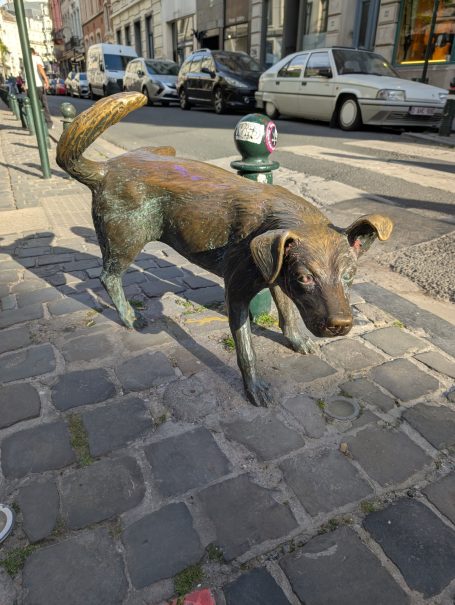
Brussels' historic core is very walkable. The main attractions, including the Grand-Place, the Manneken Pis, and the Royal Galleries of Saint-Hubert, are all within a short stroll of each other. Walking allows you to soak in the atmosphere, admire the intricate architecture, and discover charming side streets and hidden courtyards that you'd otherwise miss.
Tip: Exploring the city on foot worked out perfectly for us. All the sights we had planned to see were so close together, making it the ideal way to get around (if you are able). Walking allows you to discover hidden gems you wouldn't typically find using public transport.
public transport
For longer distances or when your feet need a break, the city's public transport system is excellent. It consists of the metro, trams, and buses.
- Metro: Best for fast travel over longer distances, such as getting from the city centre to the EU Quarter or the Atomium.
- Trams & Buses: These are ideal for shorter hops and allow you to see more of the city from above ground.
tickets & passes
- You can use a contactless bank card to pay directly at the gates or on board for a single journey.
- For a full day of sightseeing, a 1-day pass offers unlimited travel.
- Be sure to validate your ticket at the orange machines before you start your journey.
taxis & ride-sharing
Taxis and ride-sharing services are readily available but are the most expensive option. They can also be subject to traffic, so they may not be the fastest way to get around the city centre, especially during peak hours.
Brussels card
If you plan to visit multiple museums and attractions, the Brussels Card can be a great value. It offers free access to over 49 museums, discounts at various shops and restaurants, and includes a public transport option for unlimited travel on all STIB trams, buses, and metro lines for the duration of the card (24, 48, or 72 hours).
helpful considerations
Language
Brussels is officially a bilingual city, with both French and Dutch spoken. However, given its international status, English is widely understood in the tourist areas, hotels, restaurants, and shops. Learning a few basic phrases in French, like "Bonjour" (Hello) and "Merci" (Thank you), is a great way to show respect and is always appreciated.
currency
The currency used is the Euro (€).
Credit and debit cards are widely accepted throughout the city. However, it's a good idea to carry a small amount of cash for smaller purchases, like a waffle from a street vendor or a souvenir at a local market.
tipping
Tipping in Brussels is not a strict requirement, as a service charge is typically included in your bill. However, it is customary to round up the bill or leave a small tip (a few Euros) for good service, particularly in restaurants and taxis.
safety
Brussels is generally a safe city for tourists. However, as with any major European city, be mindful of your belongings, especially in crowded areas like the Grand-Place, on public transport, and at train stations. Be aware of your surroundings and keep an eye on your bags and wallets.
sunday business hours
Many shops and businesses, particularly smaller ones, are closed on Sundays. While tourist-focused areas and some larger department stores may remain open, it's best to plan your itinerary with this in mind. Museums, restaurants, and major tourist attractions are generally open on Sundays.
tips for planning an extreme day trip
plan your route in advance
Time is your most valuable asset. Plot a logical walking path that connects the main attractions you want to see. Start at a central landmark and then follow a loop that includes the key sights, ensuring your route is efficient and minimises backtracking. Alternatively, consider joining a walking tour. A guided tour can be an excellent way to see the key sights with a professional who will navigate for you and provide fascinating insights along the way.
eat on the go
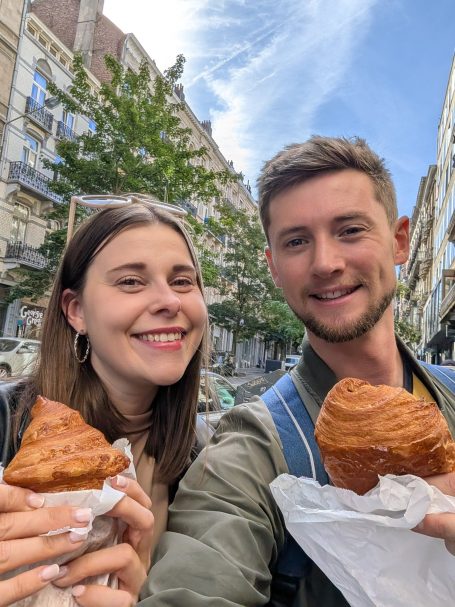
To save time, turn your meals into a part of the experience. Grab a delicious local specialty from a street vendor for a quick snack or find a popular spot for a fast, authentic lunch. This allows you to taste the destination's famous food scene without a time-consuming sit-down meal.
arrive early
For any extreme day trip, get a head start on the crowds by arriving early. The morning is often the quietest time to explore, allowing you to get better photos of the main attractions and experience the iconic sights without a large number of people in the background.
know what to skip
An extreme day trip means you can't see everything. Be prepared to prioritise and potentially skip attractions that require a lot of time. Unless it's your main interest, you may want to skip extensive museum visits in favor of the major landmarks.
brussels city centre neighbourhoods
Brussels' city centre is a mosaic of distinct neighbourhoods, each with its own character and highlights. While the area is compact and easily walkable, understanding the different districts allows you to better plan your day and experience the full flavour of the city.
city centre (The Pentagon)
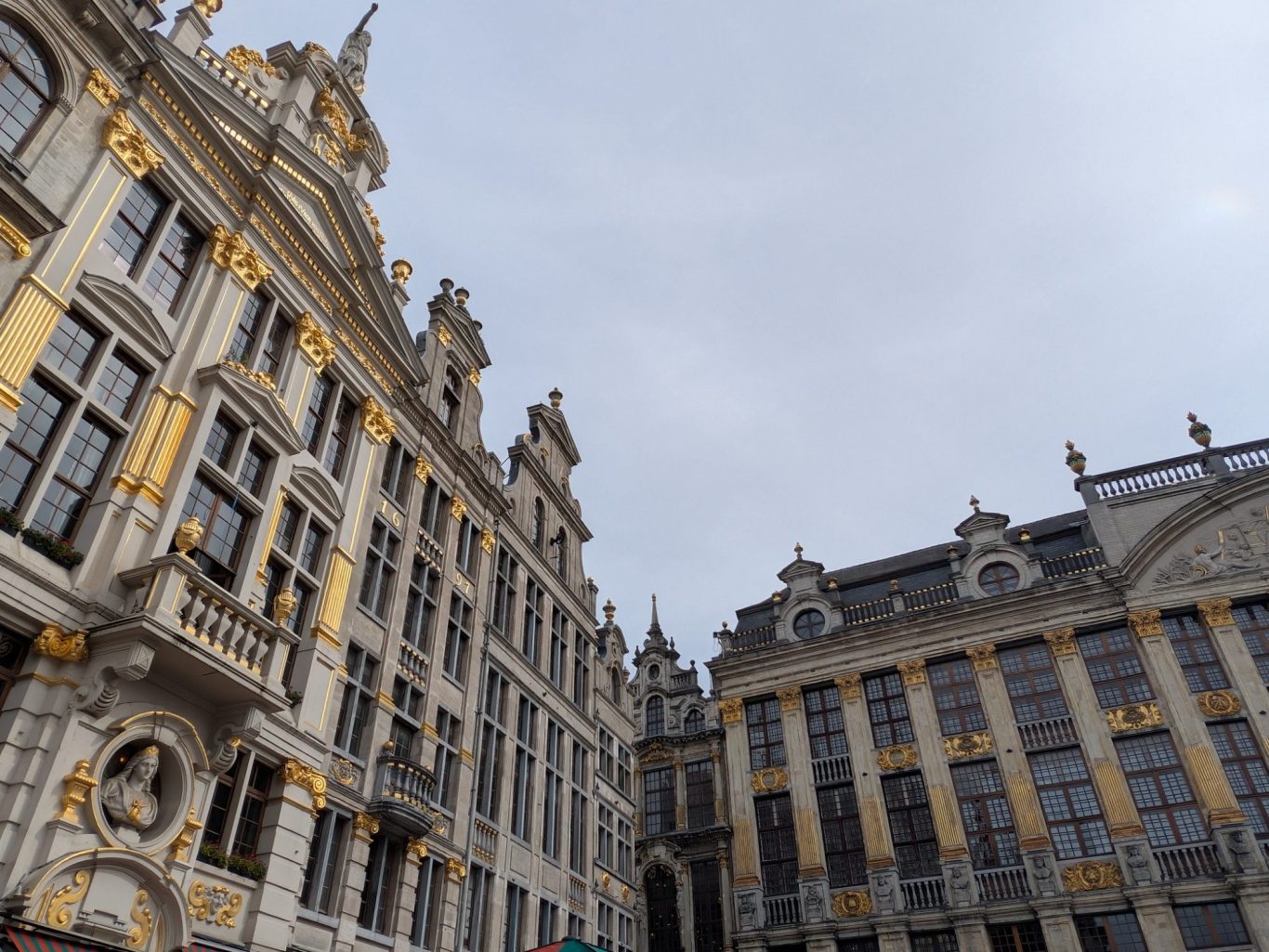
This is the core of Brussels and the top spot for first-time visitors, containing the historic centre.
- Highlights: Grand Place, the Manneken Pis, the Royal Saint-Hubert Galleries, and the Central Station.
- Vibe: Bustling, historic, and tourist-focused.
sablon (zavel)
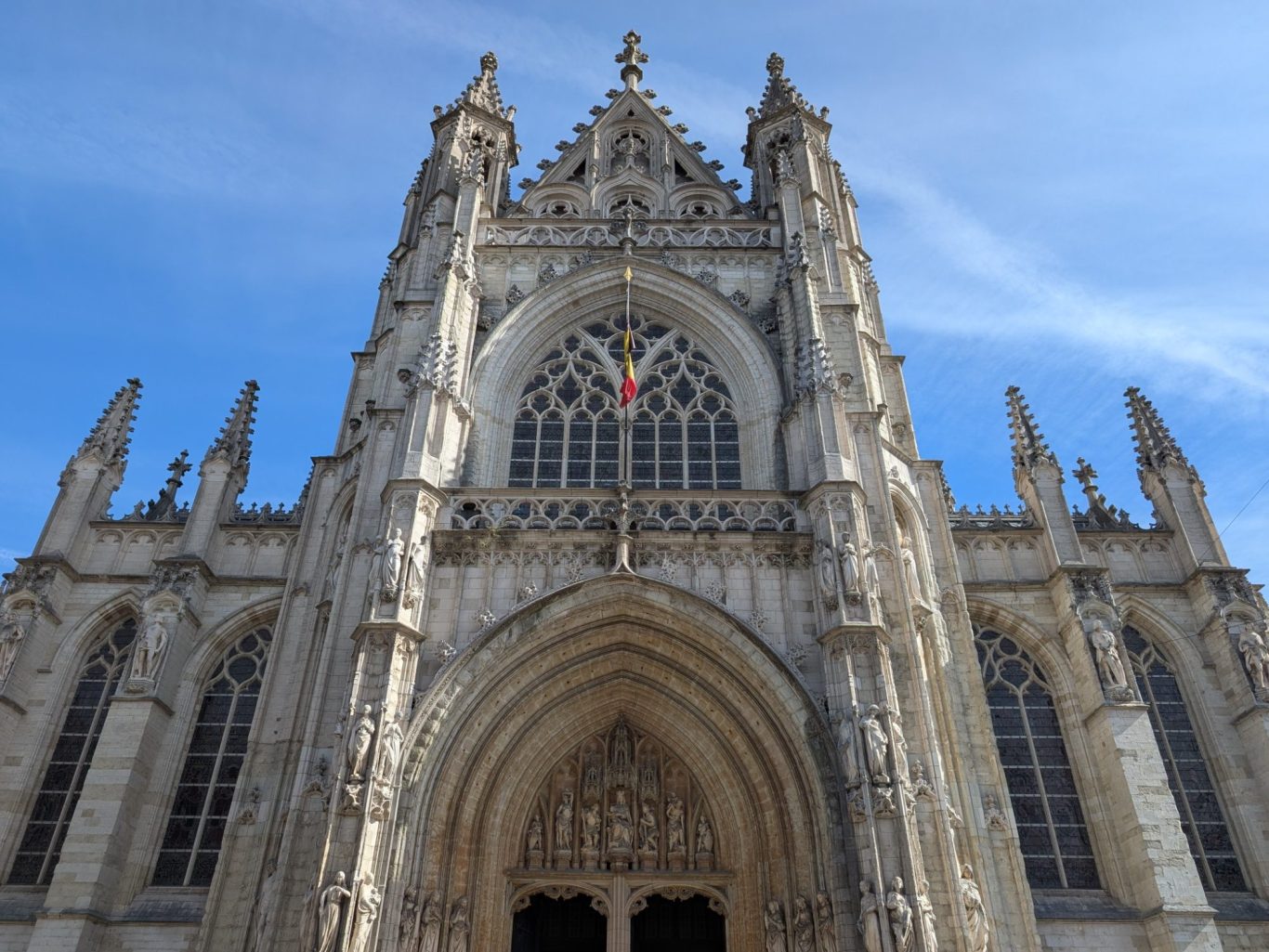
An elegant, upscale district known for its sophistication and culture, located just south of the City Centre.
- Highlights: The Place du Grand Sablon (famous for its weekend antiques market and luxury chocolatiers like Pierre Marcolini), and the Notre-Dame du Sablon Church.
- Vibe: Affluent, refined, and historic, with art galleries and antique shops.
Les Marolles (De Marollen)
Brussels' oldest working-class neighborhood, which retains an authentic, bohemian feel.
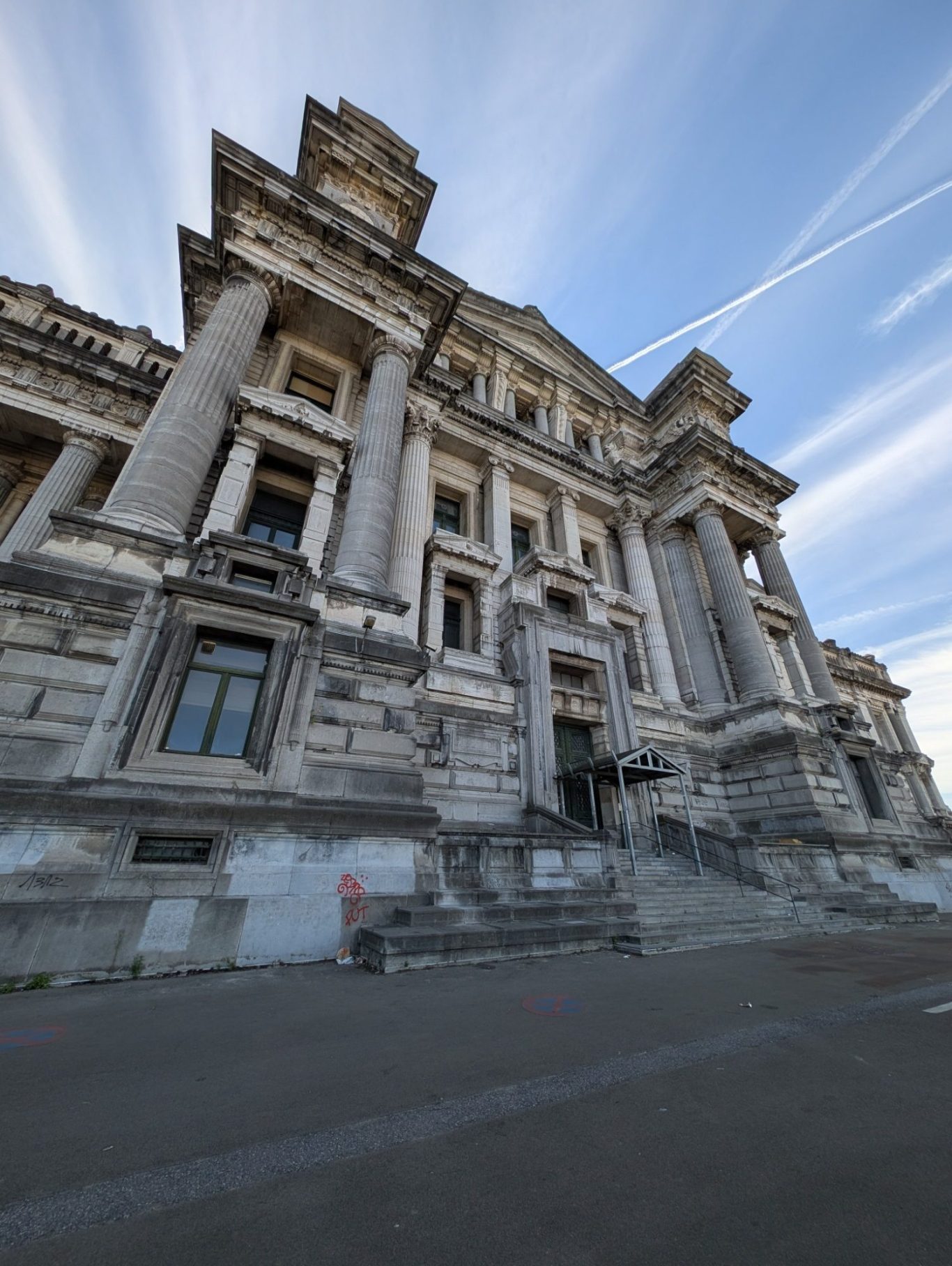
- Highlights: The Place du Jeu de Balle (home to a daily flea market), vintage shops, and the Palace of Justice.
- Vibe: Bohemian, traditional, and full of local culture, with a history of being a charmingly rough-around-the-edges area.
Saint-Gilles (Sint-Gillis)
Located west of Ixelles, this is an up-and-coming area known for its beautiful Art Nouveau architecture and cultural scene.
- Highlights: The Parvis de Saint-Gilles (a lively square with a popular food market) and the Horta Museum.
- Vibe: Bohemian, slightly more affordable than Ixelles, with a growing number of cool bars and restaurants.
the european quarter (Quartier Européen)
This area is centred around the European Union institutions, often overlapping with parts of the Etterbeek and City of Brussels communes.
- Highlights: The Berlaymont building (European Commission), the European Parliament, and Cinquantenaire Park (Jubelpark) with its Triumphal Arch.
- Vibe: Professional, international, and well-organised, popular with EU workers and expats.
Last Updated: 21 October '25