
extreme day trip: Dublin, Ireland
Ready for a high-octane immersion into the heart of the Emerald Isle? A day in Dublin, Ireland, might seem too short, but with the right plan, you can conquer its world-famous highlights in a single, action-packed blast.
This is not a leisurely ramble; this is our extreme day trip guide, meticulously designed to help you maximise every precious moment. From the historic grandeur of Trinity College and the essential literary history of the city, to an immersive visit at the Guinness Storehouse and a mandatory photo in Temple Bar, get ready for a strategy that proves you can experience the absolute best of Dublin in one unforgettable, perfectly planned day.
Journey Through the Pages
Travel Options
Getting Around the City
Extreme Day Trip Planning Tips
Dublin City Centre Neighbourhoods
Travel options
dublin airport (dub)
Dublin Airport (DUB), the primary gateway to the Republic of Ireland, is the largest and busiest airport in the country, serving as a major transatlantic and European hub. Located approximately 10 kilometres (6 miles) north of Dublin city centre, it features two distinct terminal buildings (Terminal 1 and Terminal 2).
terminals
Dublin Airport (DUB) is structured around two primary terminal buildings, T1 and T2, which efficiently manage the airport's mix of short-haul European and long-haul international traffic. Although they serve different functions, they are physically connected, making transfers simple.
terminal 1 (T1)
Terminal 1 is the older of Dublin Airport's two terminals and serves as the backbone for the airport's high-volume, short-haul traffic.
- Primary Focus: T1 mostly handles short-haul flights across the UK and Continental Europe, and it is the main base for many low-cost and charter carriers.
- Key Airlines: It is the primary hub for Ryanair, and also services major carriers like Air France, Lufthansa, and SAS.
- Facilities: T1 recently underwent significant refurbishment and hosts a wide selection of dining options, retail shops, and the main bus and taxi ranks for ground transportation.
TERMINAL 2 (t2)
Terminal 2 is the newer, more modern building, designed specifically to cater to long-haul and transatlantic services.
- Primary Focus: T2 is dedicated to long-haul and transatlantic traffic. It offers bright, expansive check-in areas and is designed to handle the complexities of international customs procedures.
- Key Airlines: It is the home base for Aer Lingus and hosts all major US carriers, including Delta Air Lines, United Airlines, and American Airlines.
- Unique Feature: US Pre-Clearance: T2 is renowned for housing the US Customs and Border Protection pre-clearance facility. This means passengers flying directly to the United States complete all US entry formalities (customs and immigration) in Dublin. This allows them to arrive in the US as domestic passengers, significantly speeding up their arrival process.
transport to the city centre
The airport is very well-connected to the city centre, offering several convenient options for travellers:
- Express Bus Services (Aircoach/Dublin Express): Fast and frequent service that runs 24/7, stopping at major city centre landmarks like O'Connell Street and Trinity College.
- Public Dublin Bus (Routes 41/16): The most budget-friendly option, though the journey is slower due to more stops, and requires a Leap Card or exact coin fare.
- Taxi: The most convenient option, offering a direct, 20–30 minute journey to your exact location, costing approximately €25–€40 depending on traffic.
dublin port
Travelling to Dublin Port from the UK and Continental Europe is primarily done via ferry services, which cater to foot passengers, cars, and commercial vehicles. Dublin Port is the busiest port in Ireland, hosting several major ferry routes.
Note: Due to the extensive crossing times (3+ hours from the UK, 18+ hours from France), ferry travel is not compatible with an extreme day trip itinerary. Flying remains the only practical and efficient transport method for this short visit.
Two main operators handle the bulk of passenger traffic into Dublin Port:
- Irish Ferries: Offers high-speed and conventional ferry crossings from the UK and France.
- Stena Line: Provides services from the UK.
travel options from the uk
The routes from the UK are shorter sea crossings and are highly frequent, often running multiple times per day.
HOLYHEAD, WALES
- Route: Dublin Port to Holyhead, Wales (A very common and popular route).
- Operators: Primarily served by Irish Ferries and Stena Line.
- Journey Time: Varies based on the vessel: approximately 3 hours 15 minutes (conventional ferry) to 2 hours 15 minutes (fast ferry, if available).
- Best For: Connecting to the main UK motorway network (M6, M56, M62, etc.) and travelers from the North and Midlands of England.
LIVERPOOL, England (Birkenhead/Bootle)
- Route: Dublin Port to Liverpool (specific docks may vary, e.g., Birkenhead or Bootle).
- Operator: Services are typically run by P&O Ferries.
- Journey Time: A longer crossing, usually around 7 to 8 hours, often scheduled as an overnight crossing.
- Best For: Travellers preferring an overnight journey, especially those starting from Northern England.
travel options from continental europe
The primary direct passenger route from the continent avoids the transit through the UK entirely, though crossings are less frequent and much longer.
Cherbourg, France
- Route: Dublin Port to Cherbourg, France.
- Operator: Operated by Irish Ferries.
- Journey Time: This is a long, overnight crossing, generally taking 18 to 19 hours.
- Best For: Travellers driving to/from mainland Europe who wish to bring their own vehicle and avoid the UK crossing.
transport to the city centre
- Bus: The Dublin Bus 53 route connects the terminal area directly to the city centre.
- Taxi: Taxis are usually available at the port to take you directly to your accommodation (approx. 15-20 minute drive, depending on traffic).
- Walkway: Some sections of the port are walkable to nearby Dublin Area Rapid Transit (DART) train stations (like The Point or East Wall Road), though a taxi or bus is generally recommended for convenience, especially with luggage.
getting around dublin
Getting around Dublin City Centre is remarkably easy, thanks to its compact size and comprehensive public transport network. Most visitors find a combination of walking and using the tram system (Luas) is sufficient.
by foot
Dublin City Centre is exceptionally pedestrian-friendly and relatively compact, making walking the ideal way to experience its atmosphere and sights.
- Compact Core: Most major attractions, like Trinity College, Dublin Castle, and the Temple Bar area, are within a 20-minute walk of each other.
- Vibrant Atmosphere: Walking allows you to soak up the atmosphere, discover hidden lanes, and appreciate the city’s Georgian architecture .
- Navigation: The city is generally laid out in an easy-to-follow pattern, with the River Liffey serving as a clear dividing line between the Northside and Southside.
Tip: Exploring the city on foot worked out perfectly for us. All the sights we had planned to see were so close together, making it the ideal way to get around (if you are able). Walking allows you to discover hidden gems you wouldn't typically find using public transport.
Public Transport
Dublin's public transport network is efficient and covers the city centre and its coastal suburbs, offering excellent alternatives to walking, especially for longer distances. The key to using all services is the Leap Card.
Note: The Leap Card is a reusable smart card that works on the Luas, DART, and Dublin Bus networks, offering cheaper fares than cash tickets. It is essential for regular public transport use.
luas (tRAM)
- What it is: The Luas is Dublin's modern, reliable tram system. It consists of two main lines (Red and Green), which do not intersect in the city centre but service different corridors.
- Green Line: Generally serves the southside, connecting areas like St. Stephen's Green to the business districts and suburbs.
- Red Line: Connects the Docklands area (including The Point and the 3Arena) with the main train stations (Heuston and Connolly).
- Use Case: Highly recommended for travelling slightly longer distances without being affected by road traffic.
dart (suburban rail)
- What it is: The Dublin Area Rapid Transit is a suburban electric rail line that runs along the coast .
- Use Case: Excellent for day trips to coastal towns like Howth (North) or Dun Laoghaire and Bray (South). It does not service the city centre itself, but has stations at Connolly and Pearse Street.
dublin bus
- What it is: An extensive network of public buses covering the entire city and suburbs.
- Use Case: Best for reaching areas not covered by the Luas or DART. It can be slower in the city centre due to traffic.
- Payment: Requires a Leap Card (recommended) or the exact coin fare, as drivers do not give change.
Taxis & ride-sharing
Taxis are readily available throughout the city centre and offer the highest level of convenience, particularly late at night or when carrying luggage.
- Availability: You can find taxi ranks near major attractions, hotels, and main squares, or you can easily hail one on the street.
- Ride-Sharing: Traditional ride-sharing apps are not available, but services like Free Now (a popular taxi-hailing app) are widely used to book and pay for licensed taxis.
- Cost: Taxis are metered and are the most expensive way to travel but are essential for speed and direct service, particularly from the airport or late in the evening.
helpful considerations
Language
Official Language: The main language spoken everywhere is English. While the Republic of Ireland officially has two languages (Irish, or Gaeilge, and English), all signage, business, and daily communication are in English.
A Little Irish: You will see Irish on road signs and government buildings. Don't worry about trying to speak it, but enjoy the unique sight of the second language.
currency
The currency used is the Euro (€).
Credit/Debit Cards are widely accepted everywhere, even for small purchases. Contactless payment is extremely common and often preferred. You'll only need a small amount of cash for tips or small vendors.
tipping
Tipping culture in Ireland is generally more relaxed than in the US, but it is appreciated for good service.
- Restaurants (Table Service): A tip of 10% to 15% is customary for good service. If you are paying by card, it's best to confirm with the server that the tip can be added to the machine (sometimes it's easier to leave cash).
- Pubs/Bars: Tipping is not expected for standard counter service when just ordering a drink. If you are sitting down for a meal or if the staff provide table service, a small tip is appropriate.
- Taxis: It is common to simply round up the fare to the nearest convenient Euro (e.g., round up a €19.50 fare to €20).
Note: Tipping is not a requirement, but rather a voluntary expression of gratitude for outstanding service.
safety
Dublin is a relatively safe capital city, but like any major urban area, you should be aware of your surroundings.
Petty Theft: Be vigilant against pickpockets, especially in crowded tourist areas like Temple Bar, Grafton Street, and on crowded buses. Keep bags zipped and valuables secure.
Late Night: Be cautious late at night in less-trafficked areas. Stick to well-lit and busy streets, especially when traveling alone.
tips for planning an extreme day trip
plan your route in advance
Time is your most valuable asset. Plot a logical walking path that connects the main attractions you want to see. Start at a central landmark and then follow a loop that includes the key sights, ensuring your route is efficient and minimises backtracking. Alternatively, consider joining a walking tour. A guided tour can be an excellent way to see the key sights with a professional who will navigate for you and provide fascinating insights along the way.
eat on the go
To save time, turn your meals into a part of the experience. Grab a delicious local specialty from a street vendor for a quick snack or find a popular spot for a fast, authentic lunch. This allows you to taste the destination's famous food scene without a time-consuming sit-down meal.
arrive early
For any extreme day trip, get a head start on the crowds by arriving early. The morning is often the quietest time to explore, allowing you to get better photos of the main attractions and experience the iconic sights without a large number of people in the background.
know what to skip
An extreme day trip means you can't see everything. Be prepared to prioritise and potentially skip attractions that require a lot of time. Unless it's your main interest, you may want to skip extensive museum visits in favor of the major landmarks.
dublin city centre neighbourhoods
Dublin City Centre, bisected by the iconic River Liffey, is a tapestry of distinct quarters, each with its own historic, cultural, and social pulse. While the area is wonderfully compact and easily covered by foot , understanding these diverse districts allows you to better plan your limited time and experience the full, authentic flavour of the city.
temple bar
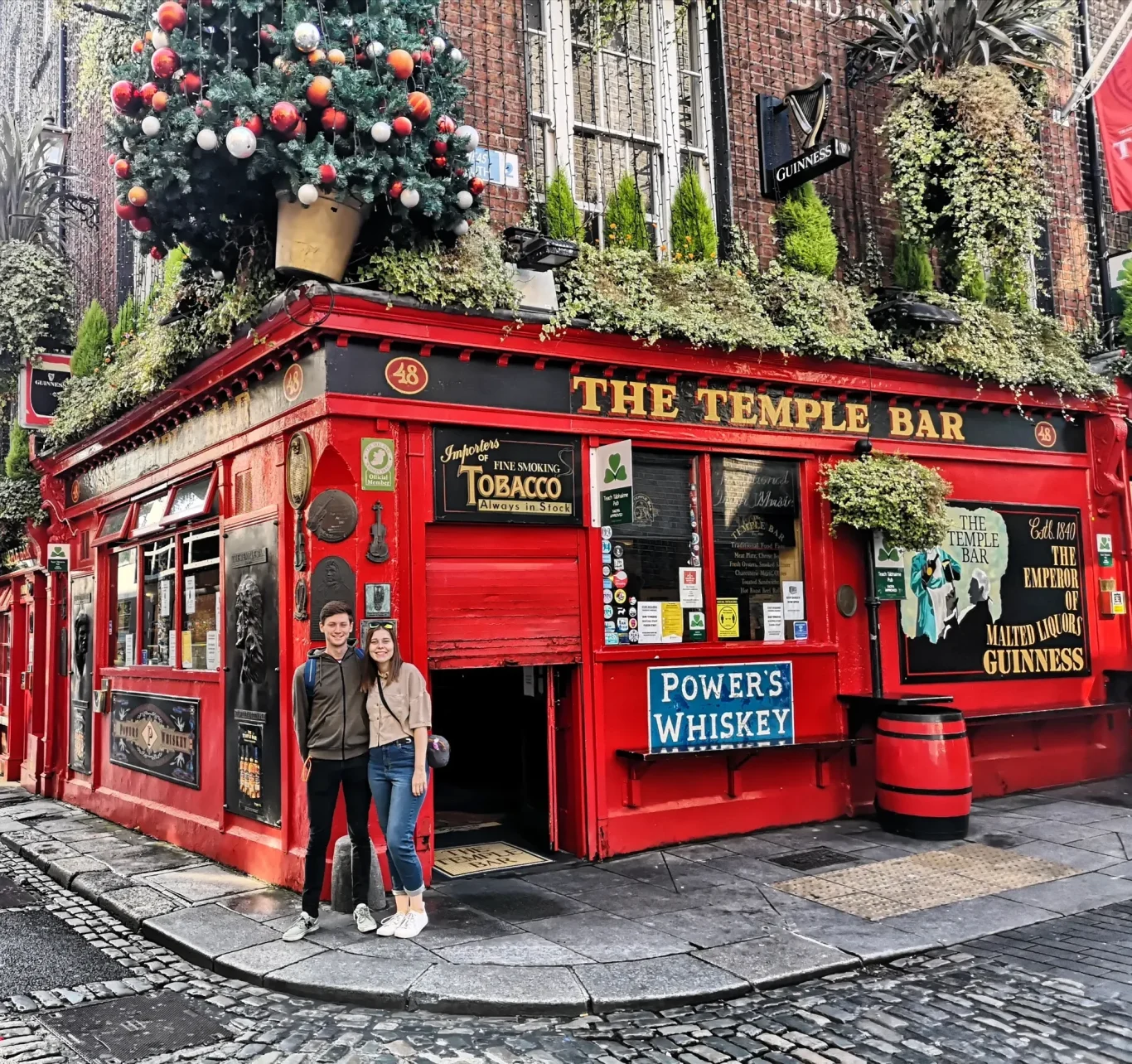
The city's famed cultural and entertainment quarter. While known for its lively (and often crowded) pubs, it's also home to independent shops, art galleries, and cultural institutions. It's the heart of the action but can be the most tourist-heavy area.
Highlights: The Temple Bar quarter is Dublin's famous Cultural and Entertainment hub, best known for its iconic, red-painted traditional pubs offering live Irish "trad" music sessions, alongside independent shops and cultural spots like the Irish Film Institute.
grafton Street & Surrounding area
The Grafton Street area, located on Dublin's Southside, is often considered the city's most affluent and vibrant quarter. It perfectly blends high-end commerce, historic elegance, and beautiful green spaces.
Highlights: The Grafton Street area is Dublin's premier, pedestrianised high-end shopping district , famed for its street performers and its central location next to major attractions like Trinity College (home of the Book of Kells), the Irish Whiskey Museum, and the historic St. Stephen Green.

o'connell street
The main thoroughfare on the Northside, home to historic landmarks like the General Post Office (GPO) and the soaring Spire. It acts as a central hub for buses and major statues.
Highlights: O'Connell Street is Dublin's main street and a historic battleground, featuring the modern Spire, the bullet-marked General Post Office (GPO), and monuments to key Irish national figures like Daniel O'Connell, making it the core of the city's commercial and historical life.

docklands/Grand Canal Dock
The Docklands neighbourhood (including Grand Canal Dock) is a dynamic area of Dublin that perfectly blends historical maritime heritage with modern, cutting-edge architecture and a vibrant business and cultural scene.
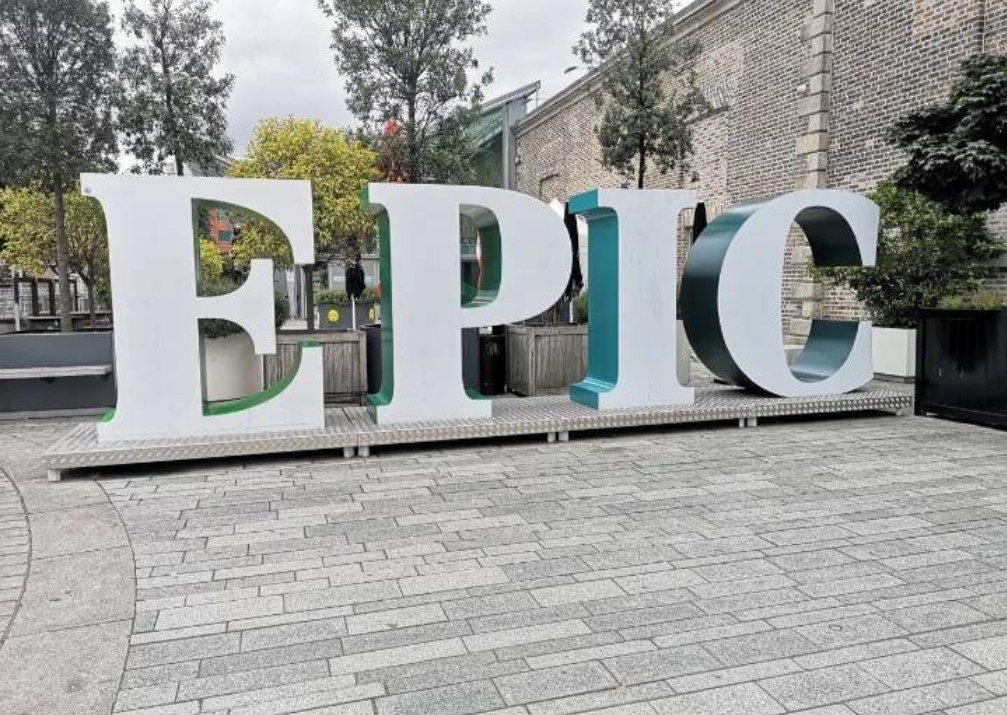
Highlights: Dublin's Docklands is a modern "Silicon Docks" business and cultural hub defined by striking contemporary architecture, a vibrant waterside leisure scene, and cultural attractions like the EPIC Museum and the Jeanie Johnston Famine Ship, all set against a backdrop of historic maritime landmarks.
The Liberties
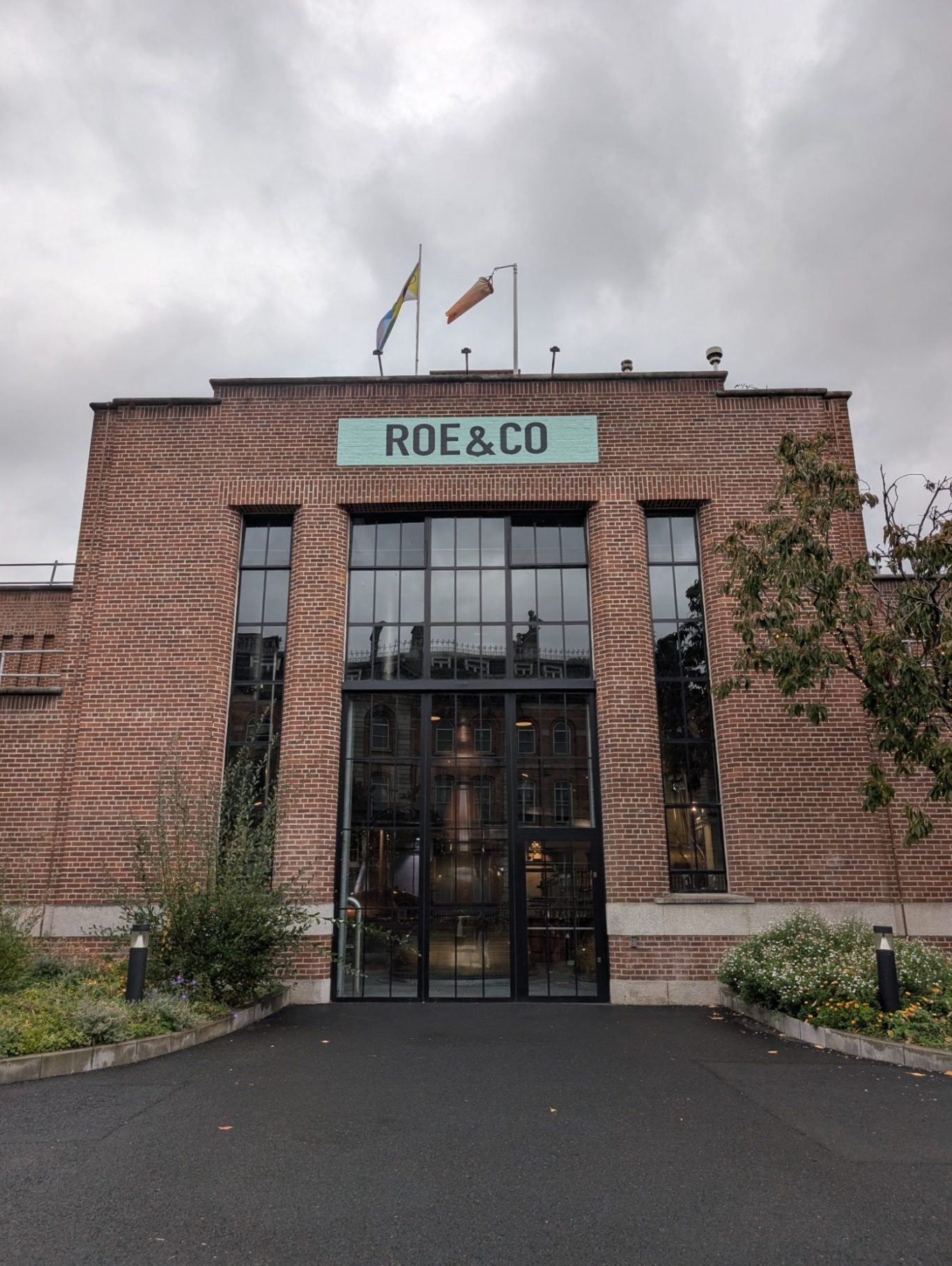
The Liberties is a historic Dublin neighbourhood known for its authentic, working-class character, blend of old and new culture, and deep connections to Ireland's brewing and distilling heritage.
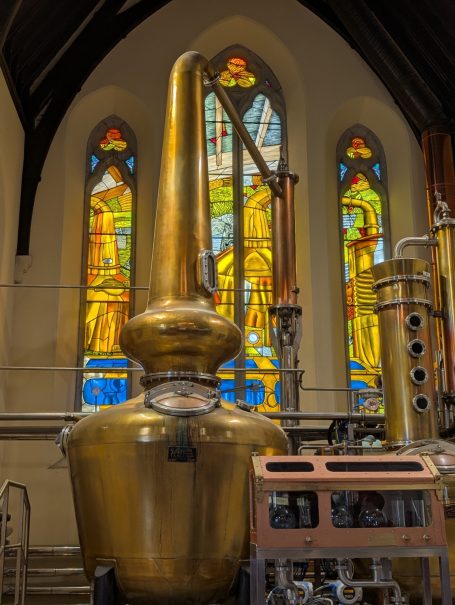
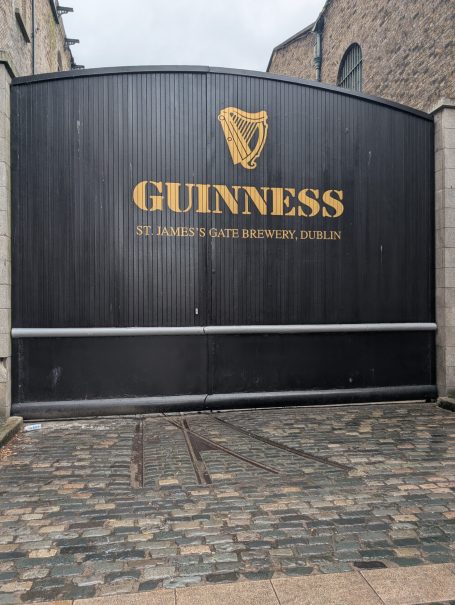
Highlights: The Liberties is a historically rich district that blends iconic attractions like the Guinness Storehouse, Roe & Co and Pearse Lyons distilleries and major cathedrals with a vibrant, modern resurgence in craft distilling, food, and culture, all while retaining its distinct Dublin character.
Smithfield
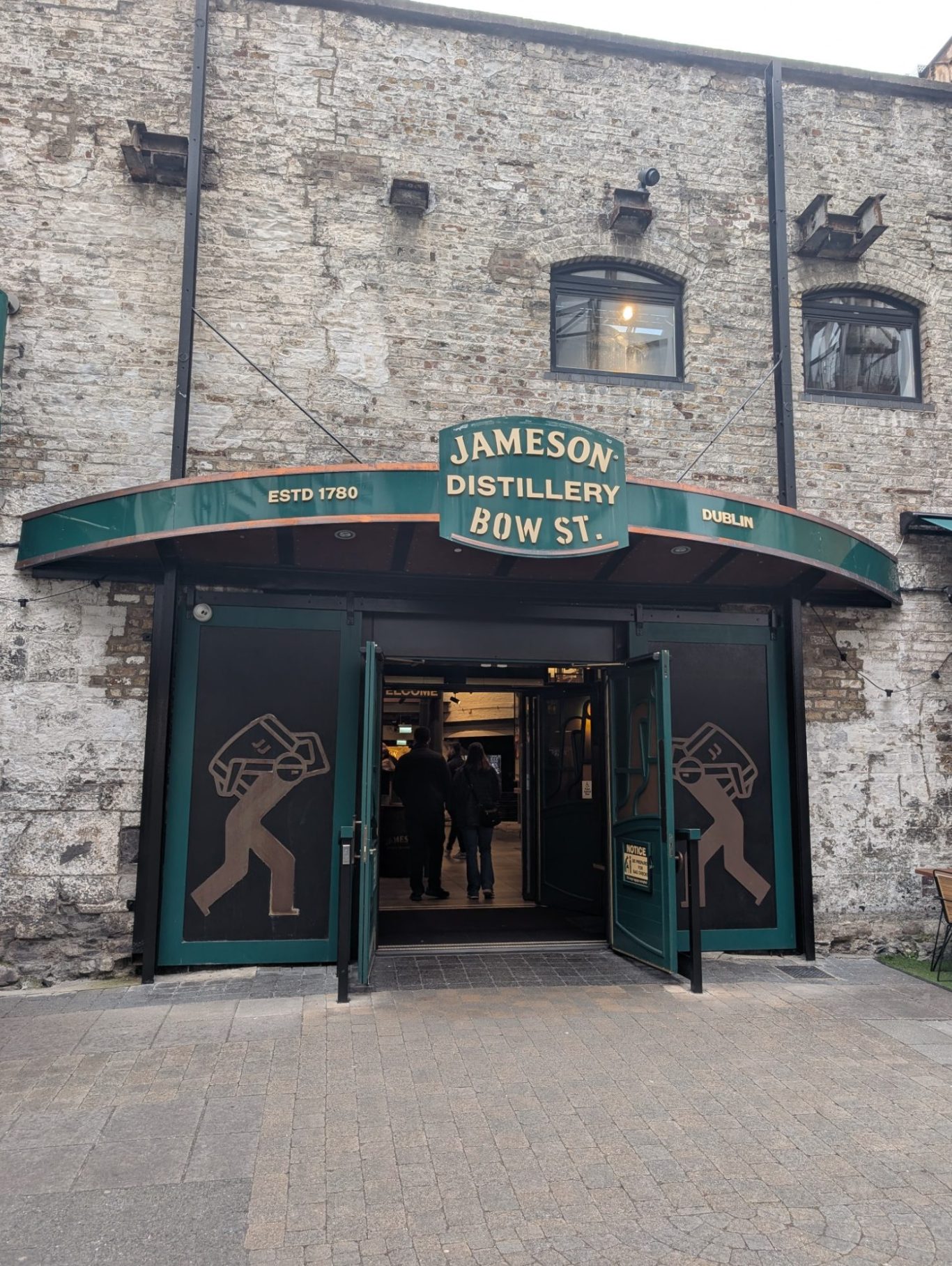
Smithfield is a revitalised neighbourhood on the northside of Dublin, known for blending its historic past with a trendy, modern cultural scene.
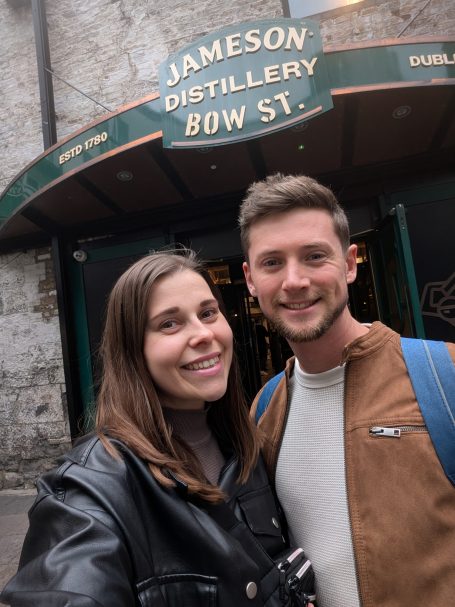
Highlights: Smithfield is a trendy, revitalised cultural hub centred on its large public square, blending modern dining and arts (like the Light House Cinema) with its rich heritage, most notably anchored by the Old Jameson Distillery visitor experience and the historic Smithfield Horse Fair tradition.
Discover our Dublin's Attractions Page.
Last Updated: 21 October '25