
Cruise Port: Florence, Italy
Arriving at the Tuscan coast, you're just a short journey from the heart of the Renaissance. A cruise port day in Florence offers a tantalising glimpse into this city's unparalleled artistic and historical legacy. But with limited time, navigating its wonders can feel overwhelming. That's where I come in.
Journey Through the Pages
know before you go
CRUISE PORT LOCATIONS
Florence, being a landlocked city, is not directly accessible by cruise ship. Instead, cruise passengers aiming to visit Florence will typically dock at one of these major ports on the Tuscan coast.
Livorno
This is the most common and primary cruise port for excursions to Florence. It's located approximately 90-105 km (56-65 miles) southwest of Florence. From Livorno, visitors can reach Florence via organised shore excursions, private transfers, or by taking a shuttle from the port to Livorno Centrale train station, followed by a train ride to Florence (typically around 1.5 hours).
Our NCL cruise excursion from Livorno port whisked us away for a day in Tuscany, visiting both Pisa and Florence. Upon meeting our guide and coach right at the port, we enjoyed a scenic drive of about 1 hour and 15 minutes before immersing ourselves in a comprehensive guided tour of Florence.
la spezia
Located in the Liguria region of Italy, approximately 139-150 km (86-93 miles) northwest of Florence, La Spezia is a popular port of call for cruise ships. While it's slightly further from Florence than Livorno, it is commonly used by cruise lines and independent tour operators offering excursions to both Florence and Pisa, as well as the beautiful Cinque Terre villages.
Marina di Carrara
Marina di Carrara is a highly strategic cruise port located in the Tuscany region of Italy, primarily serving as a key gateway for excursions to the region's capital, Florence. The city is approximately 135-150 km (84-93 Miles) away, a distance well-managed by tour operators offering full-day trips to the Renaissance capital. In addition to Florence, Marina di Carrara's convenient location also makes it an excellent starting point for shorter excursions to the famous Leaning Tower of Pisa and the charming medieval walls of Lucca. Furthermore, for guests interested in the coast, the port offers seamless access to the rugged villages of Cinque Terre, while the unique local sight of the Carrara marble mountains remains an available option.
Plan & prioritise
- Pre-book Everything: Tickets for popular attractions like the Uffizi Gallery, Accademia Gallery (for David), and Duomo complex sell out quickly. Book online in advance to avoid disappointment and long queues.
- Choose 2-3 Must-See Attractions: Florence is packed with art and history. Focus on a few key sites that are most important to you, rather than trying to see everything.
- Consider a Guided Tour: A guided tour can help you navigate the city efficiently and provide valuable context for the art and history. Look for tours specifically designed for cruise port days. We thoroughly enjoyed our walking tour of Florence, which offered a fantastic historical perspective and allowed us to see the city's key attractions.
- Organise Transportation: Pre-arrange transportation from the port of Livorno or La Spezia to Florence. Consider a private transfer, train, or organised shore excursion.
- Factor in Travel Time: The journey from Livorno to Florence takes approximately 1.5-2 hours each way. This significantly cuts into your time in the city.
florence neighbourhoods
Duomo/Centro Storico
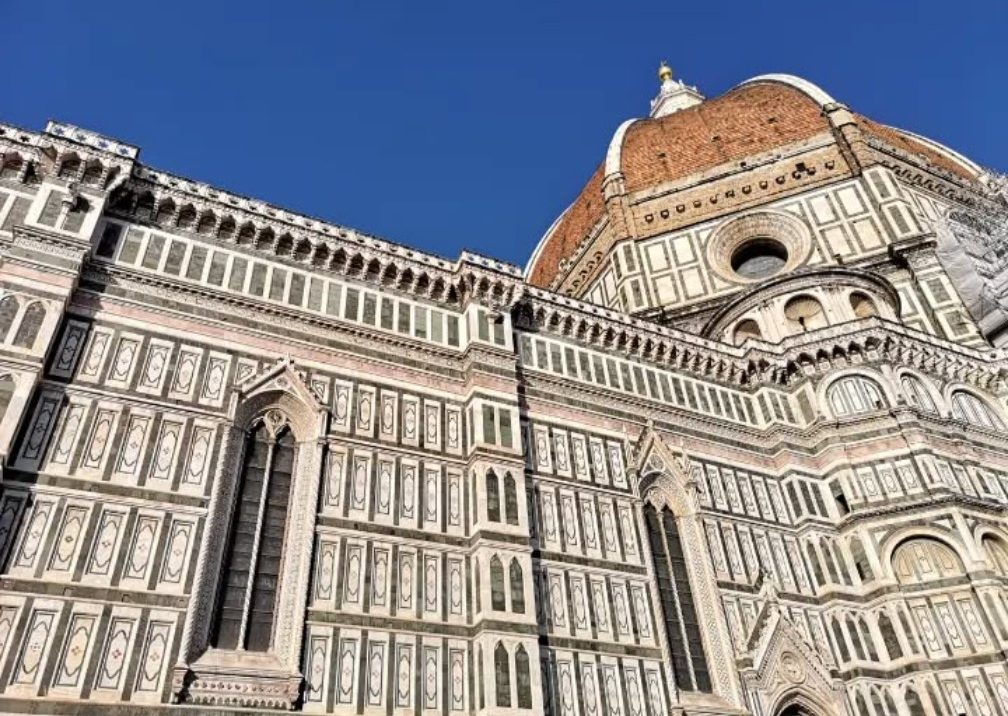
The Duomo/Centro Storico is not just the heart of Florence; it is a living, breathing museum that tells the story of the Renaissance. As a UNESCO World Heritage site, this bustling and compact area is where first-time visitors can immerse themselves in the city's most famous landmarks, all within easy walking distance.
Duomo/Centro Storico: Key Features
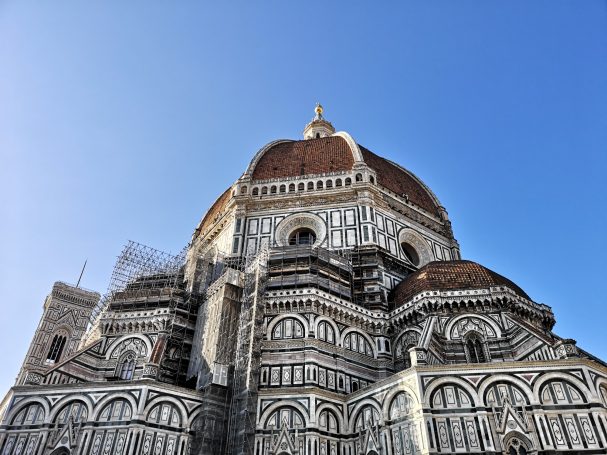
- Brunelleschi's Dome: An architectural marvel that dominates the skyline. Visitors can climb to the top for a stunning panoramic view of the city.
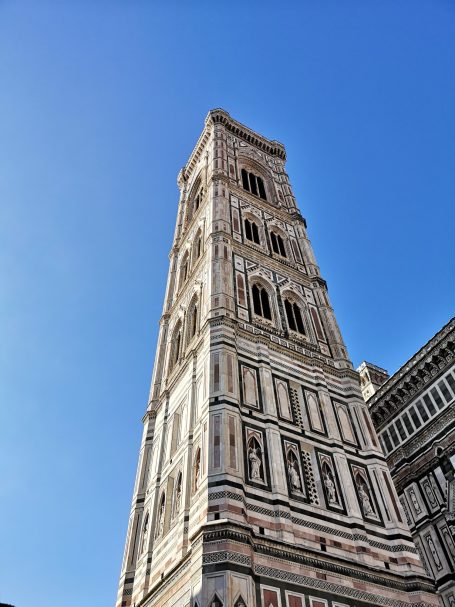
- Giotto's Bell Tower: A beautiful, free-standing bell tower adorned with multi-coloured marble. It can also be climbed for incredible views of the Duomo's dome.
- The Baptistery: Famous for its stunning bronze doors, particularly the "Gates of Paradise," which are intricate masterpieces of Renaissance sculpture.
- The Uffizi Gallery: One of the most famous art museums in the world, the Uffizi is home to a priceless collection of Renaissance masterpieces. It is a must-see for art lovers, with works by Botticelli, Leonardo da Vinci, Michelangelo, and Raphael.
- Piazza della Signoria: This political heart of Florence is an open-air sculpture museum. It is home to a replica of Michelangelo's "David" and the Loggia dei Lanzi, an arcade filled with impressive Renaissance sculptures. The square is dominated by the imposing Palazzo Vecchio, the city's historic town hall.
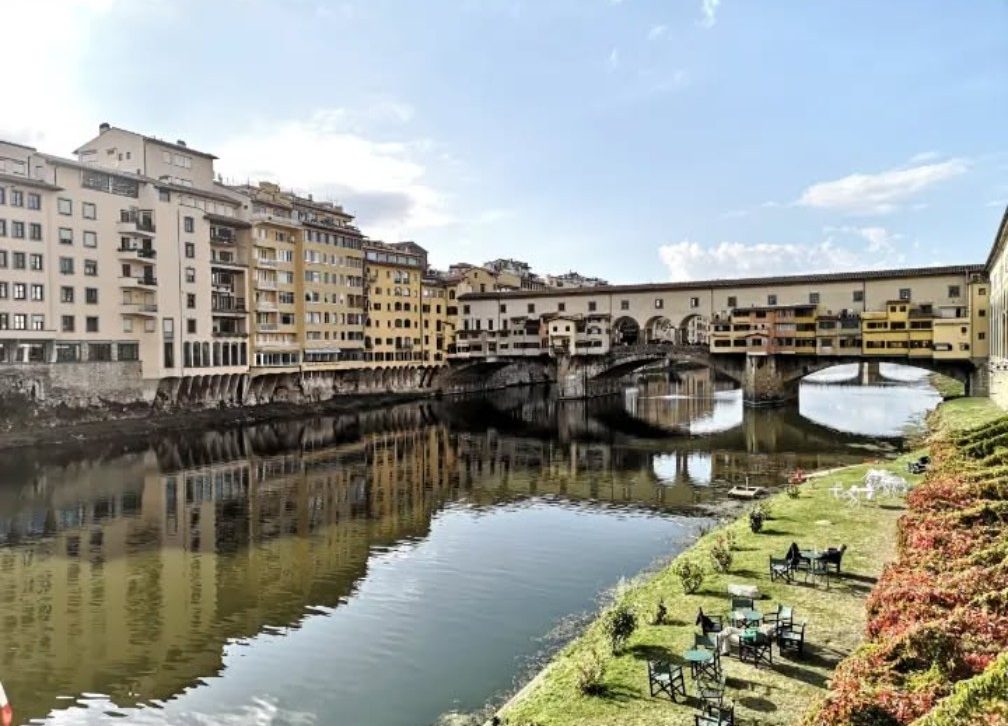
- Ponte Vecchio: This iconic medieval stone bridge is famous for being lined with shops, which have been occupied by jewellers since the 16th century. It is a unique and picturesque landmark that spans the Arno River.
- Accademia Gallery: While not in the immediate shadow of the Duomo, this gallery is a short walk away and a major draw for one reason: it houses Michelangelo's original statue of David.
Tip: Given the popularity of this area, it is highly recommended to book tickets for the Duomo climb, Uffizi Gallery, and Accademia Gallery well in advance to avoid long lines.
Oltrarno
The Oltrarno, meaning "across the Arno," is often considered the artistic soul of Florence, offering a bohemian, authentic vibe that provides a welcome contrast to the more crowded city centre. This district is a treasure trove of artisan workshops, charming trattorias, and hidden gems.
Oltrarno: Key Features
- Pitti Palace & Boboli Gardens: These are the centrepiece of the Oltrarno. The Pitti Palace is a grand Renaissance palace that now houses several important museums, including the Palatine Gallery with its collection of Renaissance art. Behind the palace, the Boboli Gardens are a magnificent example of Italian garden design, with elaborate grottoes, statues, and fountains. They offer a tranquil and beautiful escape.
- Artisan Workshops: The very essence of Oltrarno lies in its thriving community of artisans. A "must-do" is simply to wander through the streets and watch skilled craftsmen at work in their small, independent shops. You can find high-quality, handmade products ranging from traditional Florentine leather goods and gold jewellery to hand-marbled paper and intricate mosaics.
- Santo Spirito: This sub-neighbourhood is a lively hub centred around the beautiful Basilica di Santo Spirito, designed by Brunelleschi. The piazza in front of the church is a buzzing social spot, especially in the evenings, with a mix of students, locals, and artists gathering at its cool bars and outdoor trattorias. It's the perfect place to experience a slice of authentic Florentine life.
- San Frediano: Recently named one of the "coolest neighbourhoods in the world," San Frediano is trendy and full of character. This area is known for its vibrant nightlife, excellent restaurants, and unique, independent boutiques. It's a great place to go for a pre-dinner aperitivo and to explore a less touristy side of the city.
- Ponte Vecchio: While it connects the city centre to the Oltrarno, this historic bridge is an attraction in its own right and the gateway to the district. Walk across its charming, medieval archway to see the iconic jewellery shops that have lined its path since the 16th century.
santa croce
Located just east of the Duomo, the Santa Croce neighbourhood is a vibrant mix of immense historical importance and authentic Florentine daily life. It's a must-see for anyone interested in art, history, and a bustling local atmosphere.
santa croce: Key Features
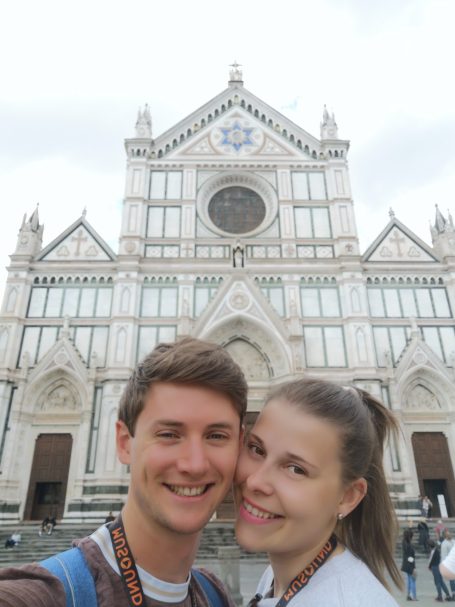
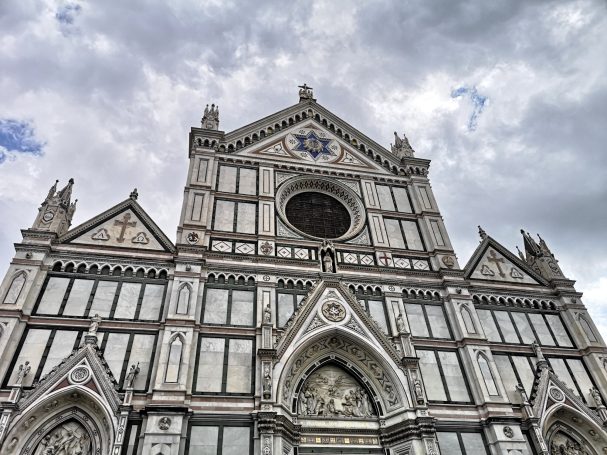
- Basilica di Santa Croce: The monumental heart of the neighbourhood, this grand church is a pilgrimage site for lovers of Italian history and art. Often called the "Temple of Italian Glories," it is the final resting place of some of Italy's most celebrated figures, including Michelangelo, Galileo Galilei, Niccolò Machiavelli, and Gioachino Rossini. The basilica's facade, intricate chapels, and serene cloisters are a testament to Florentine art and architecture.
- Piazza di Santa Croce: The magnificent square in front of the basilica is a major focal point of the city. Historically a place for tournaments and public gatherings, it still hosts events, including the famous Calcio Storico (historic football) matches every June. It's a great spot to relax at a café and take in the view of the church's stunning facade.
- Leather Shops & Artisan Workshops: The Santa Croce neighbourhood has long been the epicentre of Florence's leather trade. You can explore a wide variety of shops, from small family-run workshops to larger stores, selling high-quality leather goods like bags, jackets, and belts. Many of these shops offer an opportunity to watch skilled artisans at work.
- Local Trattorias and Gelaterias: While the area is popular with tourists, it retains a strong sense of local life. Tucked away on its smaller side streets, you can find traditional trattorias serving authentic Tuscan cuisine and a number of excellent gelaterias offering a mix of classic and innovative flavours.
Santa Maria Novella
The Santa Maria Novella neighbourhood offers a compelling blend of practicality and beauty, serving as Florence's main transportation hub while housing some of the city's most significant artistic treasures. Its central location makes it the perfect starting point for any visit, with elegant streets that reveal a more authentic side of Florence just a short walk from the station.
Santa Maria Novella: Key Features
- Basilica di Santa Maria Novella: This is the undisputed centrepiece of the neighbourhood. The basilica is a masterpiece of Renaissance architecture, with a stunning facade designed by Leon Battista Alberti. Inside, you'll find an incredible collection of art, including Masaccio's revolutionary fresco The Holy Trinity and Giotto's painted crucifix, both of which are considered landmarks in art history.
- Officina Profumo-Farmaceutica di Santa Maria Novella: Tucked away in a beautiful building just a short walk from the basilica, this is one of the world's oldest pharmacies, founded by Dominican friars in 1221. The ornate, frescoed rooms are a work of art in themselves, and you can still buy traditional perfumes, soaps, and herbal remedies made on-site. It's a truly unique and fragrant step back in time.
- Piazza Santa Maria Novella: The beautiful and spacious square in front of the basilica is a peaceful place to rest and admire the facade. The piazza is a work of art itself, featuring two marble obelisks supported by bronze tortoises, which once marked the turning points for chariot races.
- Leather & Artisan Workshops: As you wander the streets closer to the Arno River, you'll discover why Florence is famous for its leather goods. The neighbourhood is home to many traditional leather shops and artisan workshops where you can see craftsmen at work and purchase high-quality goods.
San Lorenzo
Located between Florence's main train station and the iconic Duomo, San Lorenzo is a neighbourhood of two worlds: a bustling, vibrant market district and a historical centre of Medici power. It offers a lively atmosphere that perfectly blends commerce, history, and a modern food scene.
San Lorenzo: Key Features
- Mercato Centrale (Central Market): This two-story building is a must-visit for any foodie. The ground floor remains a traditional market, with vendors selling a fresh array of local produce, meats, and cheeses. The first floor, however, has been transformed into a modern "foodie heaven," featuring numerous stalls with prepared foods, from classic Florentine street food like lampredotto to gourmet pizza, pasta, and pastries. It's a perfect place for lunch or an aperitivo.
- San Lorenzo Outdoor Leather Market: Surrounding the Central Market, a maze of stalls sells a wide range of goods, but it is most famous for its leather. You can find everything from leather jackets and bags to belts and wallets. The market is a great spot to practice your haggling skills and find souvenirs.
- Medici Chapels (Cappelle Medicee): As the burial site of the Medici family, this is one of the most historically significant sites in Florence. The New Sacristy, designed by Michelangelo, is a masterpiece of Renaissance sculpture and architecture, featuring his famous sculptures of Day, Night, Dawn, and Dusk.
- Basilica of San Lorenzo: This is the parish church of the Medici family and one of Florence's oldest religious buildings. Its most unique feature is its unfinished, rough stone facade. Inside, you can explore the magnificent architecture and the Old Sacristy, another Medici family burial site.
Last Updated: 29 October '25